
If you are noticing clutch slipping, clutch judder, or unusual changes when accelerating, you are not imagining it. These are some of the most common signs of clutch wear, and they rarely improve on their own.
Many drivers ignore early symptoms because the car still moves. However, a worn clutch can deteriorate quickly, leaving you struggling to accelerate or even unable to drive at all.
In this guide, we will explain what clutch slipping actually means, what causes clutch judder, the warning signs to look out for, and when to take action.
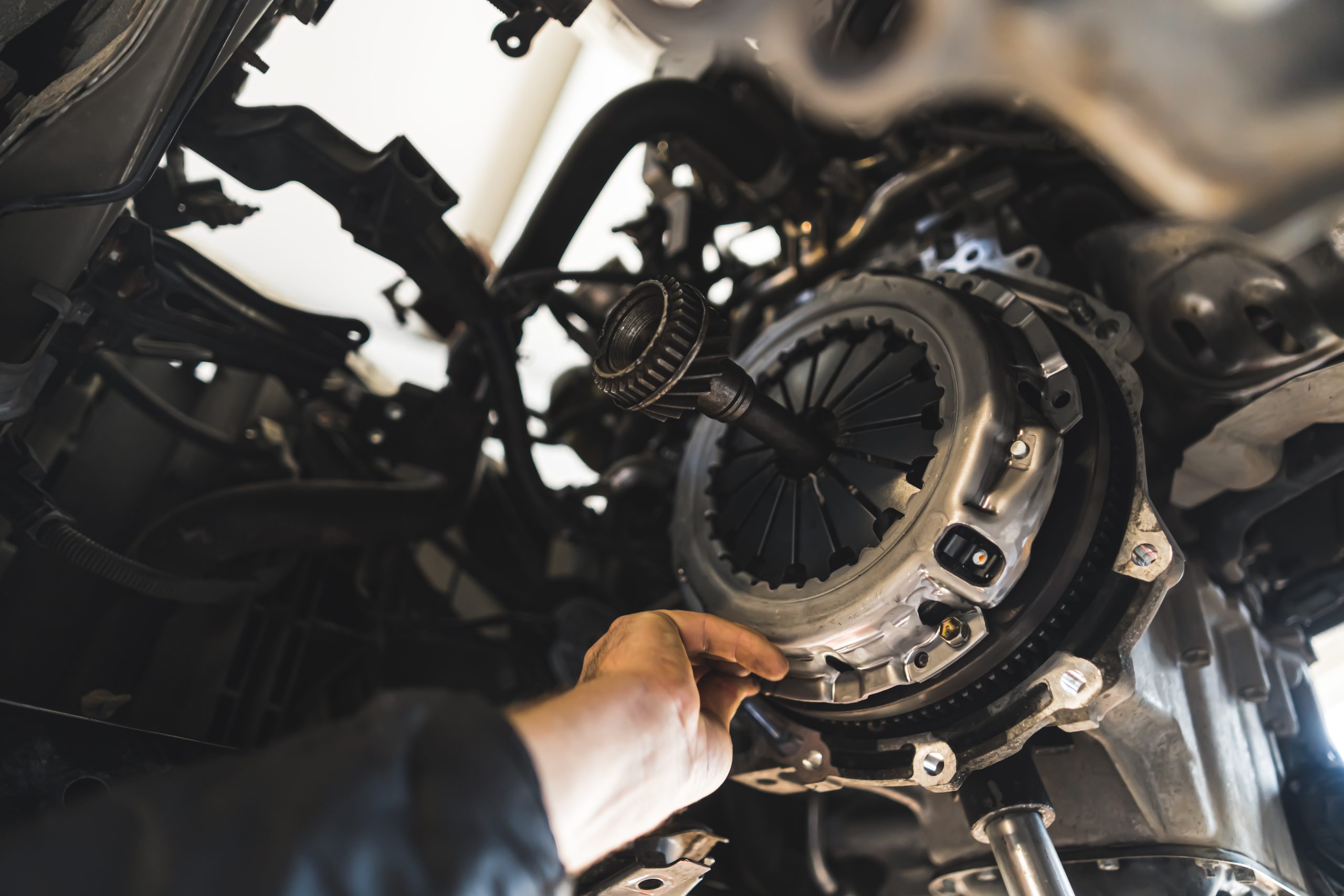
What Does Clutch Slipping Feel Like?
Clutch slipping usually happens when you press the accelerator, but the engine revs increase without a matching rise in speed.
You might notice:
- Revs climbing higher than normal when accelerating
- Difficulty overtaking
- Sluggish performance uphill
- A burning smell after heavy traffic
- Poor fuel economy
In simple terms, the engine is producing power, but the clutch is not transferring that power efficiently to the wheels.
This often becomes more noticeable in higher gears or when towing.
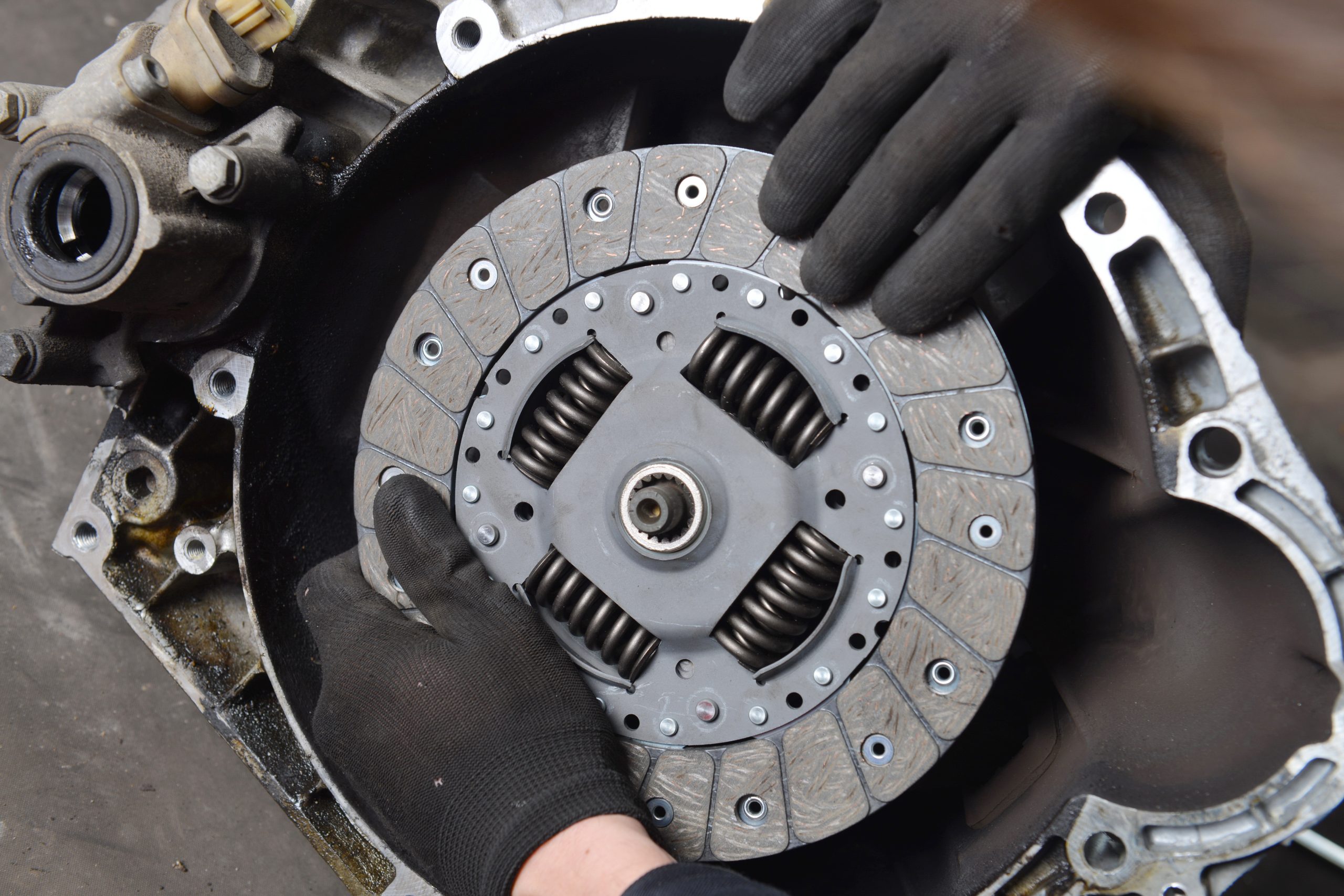
Why Does a Clutch Start Slipping?
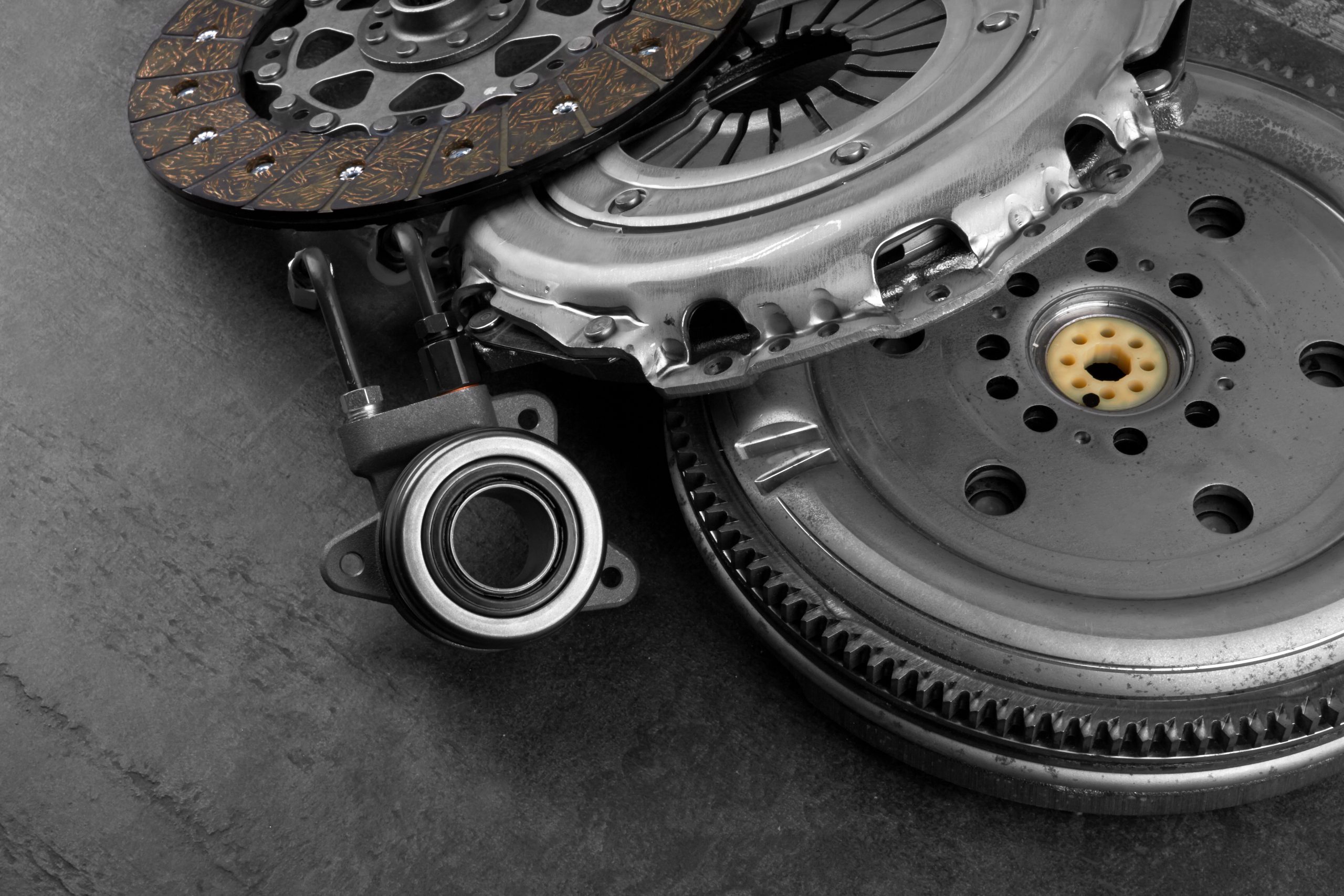
Your clutch works by pressing a friction plate against the flywheel. Over time, this friction material wears down.
Common causes of clutch slipping include:
Normal Wear and Tear
Most clutches wear gradually over 60,000 to 100,000 miles, depending on driving style.
Riding the Clutch
Keeping your foot partially pressed on the pedal increases friction and speeds up wear.
Oil Contamination
Leaks from the gearbox or engine can coat the clutch plate, reducing grip.
Aggressive Driving
Frequent hill starts or heavy towing can shorten clutch lifespan.
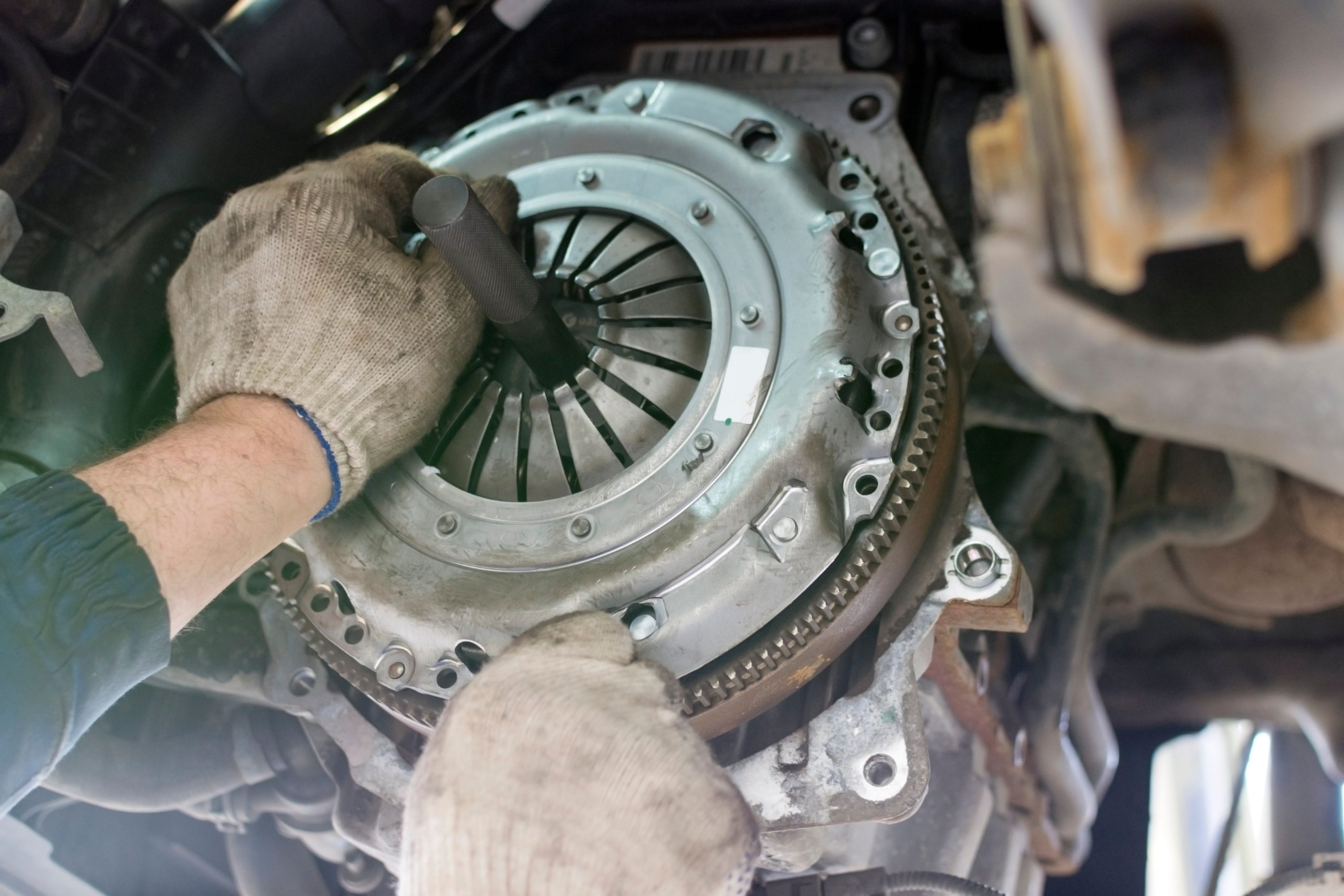
What Is Clutch Judder and Why Does It Happen?
Clutch judder feels different from slipping. Instead of smooth engagement, the car may shake or vibrate when pulling away from a standstill.
You might notice:
- Shaking through the pedal
- Jerky movement when moving off
- Vibration in first gear
- Uneven take-up
Clutch judder can be caused by:
- Uneven wear on the clutch plate
- A warped flywheel
- Engine or gearbox mounting issues
- Contamination on the friction surface
Judder often appears before full clutch slipping, which is why early diagnosis is important.
Are These Definite Signs of Clutch Wear?
Not always, but they are strong indicators.
Other signs of clutch wear include:
- Difficulty changing gears
- Crunching when selecting reverse
- A high biting point
- Stalling more frequently
- Pedal feeling unusually light or heavy
If you are experiencing two or more of these symptoms together, it is wise to have the vehicle inspected.
You can read more about our clutch services here:
Can You Keep Driving with a Slipping Clutch?
Technically, yes. Practically, it is risky.
A slipping clutch generates heat. Heat causes further wear. Further wear increases slipping. It becomes a cycle that accelerates failure.
Eventually, the clutch may fail completely, leaving you unable to move the vehicle.
The AA advises that continued driving with a slipping clutch can lead to breakdown and additional damage.
Early repair is almost always cheaper than waiting for total failure.
How Is a Clutch Problem Diagnosed?
At Motorart Autos, we do not replace parts based on guesswork.
Diagnosis typically involves:
- Road testing the vehicle
- Checking pedal engagement
- Assessing biting point position
- Inspecting for oil leaks
- Confirming gearbox operation
In some cases, symptoms that feel like clutch slipping can actually be gearbox or dual mass flywheel issues.
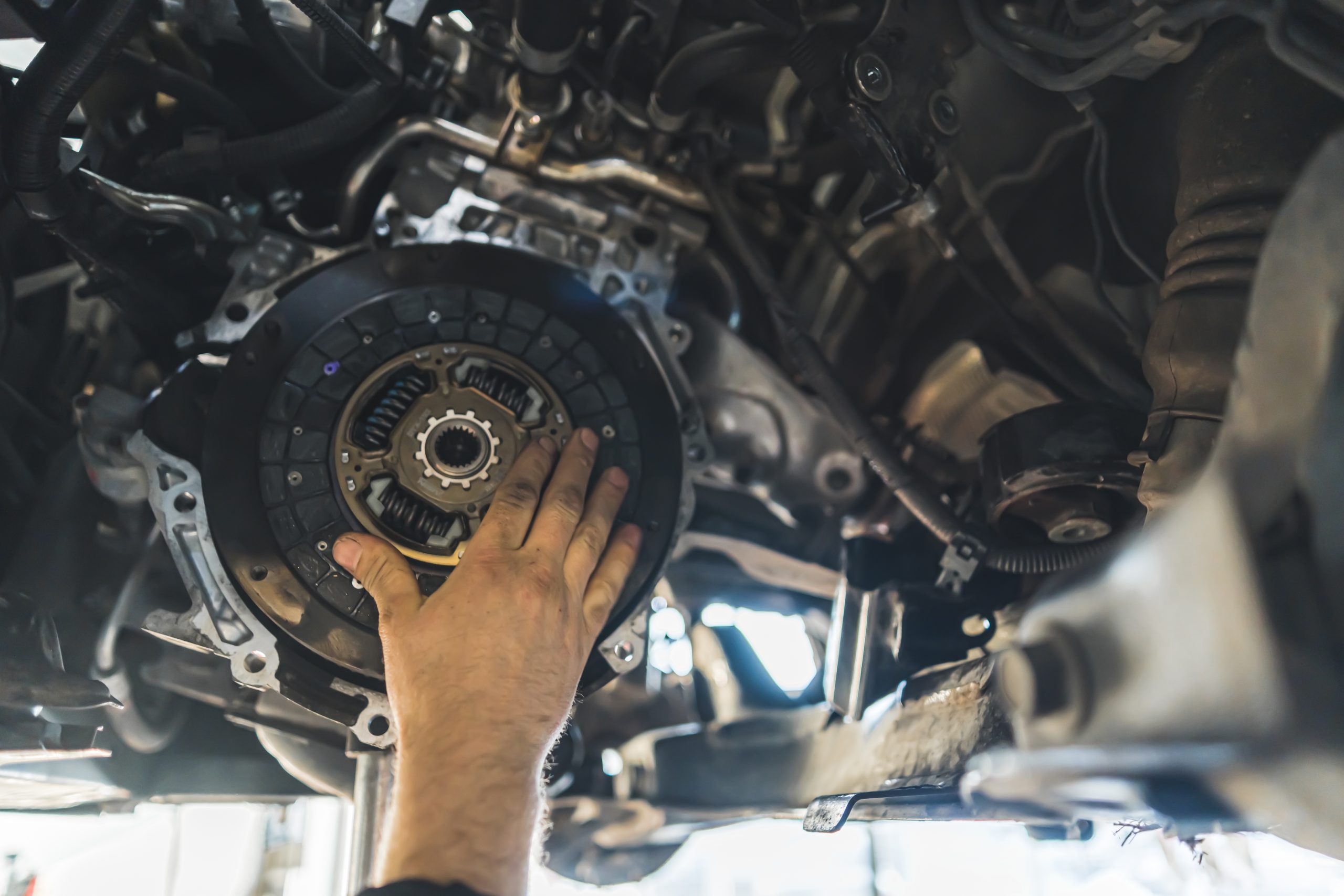
How Urgent Is Clutch Slipping?
Mild slipping under heavy acceleration may give you some time. However, consistent slipping in normal driving should not be ignored.
If your vehicle:
- Struggles uphill
- Smells of burning after traffic
- Feels jerky pulling away
You should arrange an inspection soon.
If you are local to Nailsea or surrounding areas, you can contact us here:
How Much Does Clutch Replacement Cost?
Costs vary depending on vehicle make, model, and whether additional components such as the flywheel require replacement.
What matters most is accurate diagnosis first.
Replacing only what is necessary ensures:
- Lower overall cost
- Long-term reliability
- No repeat labour
Clutch replacement is not a small job, but ignoring signs of clutch wear often makes it more expensive.
When Should You Book an Inspection?
Book a clutch inspection if you notice:
- Consistent clutch slipping when accelerating
- Persistent clutch judder
- A high biting point
- Burning smell after driving
- Difficulty changing gears
The earlier the issue is confirmed, the more control you have over timing and cost.
Final Thoughts on Clutch Slipping and Clutch Judder
Your clutch is designed to wear gradually. What matters is recognising the warning signs before performance becomes unsafe or unreliable.
If you suspect clutch slipping, clutch judder, or other signs of clutch wear, do not wait for complete failure.
Professional diagnosis gives clarity, not guesswork.
If you would like advice or an inspection, speak to the team at Motorart Autos today:
Call: 01275 261081
Email: motorartltd@gmail.com