
If you drive a modern petrol vehicle in Nailsea, there’s a part hidden deep inside your engine that could be silently causing damage: the wet belt. Not many drivers know about it, but it’s an increasingly common feature in newer engines and can cause serious problems if left unchecked.
In this post, we’ll break down exactly what a wet belt is, why it matters, and what car owners in Nailsea should watch out for. Whether you drive a Ford, Citroën, Peugeot, or Vauxhall, this guide will help you understand the risks and know when to act.
What Is a Wet Belt and How Does It Work?
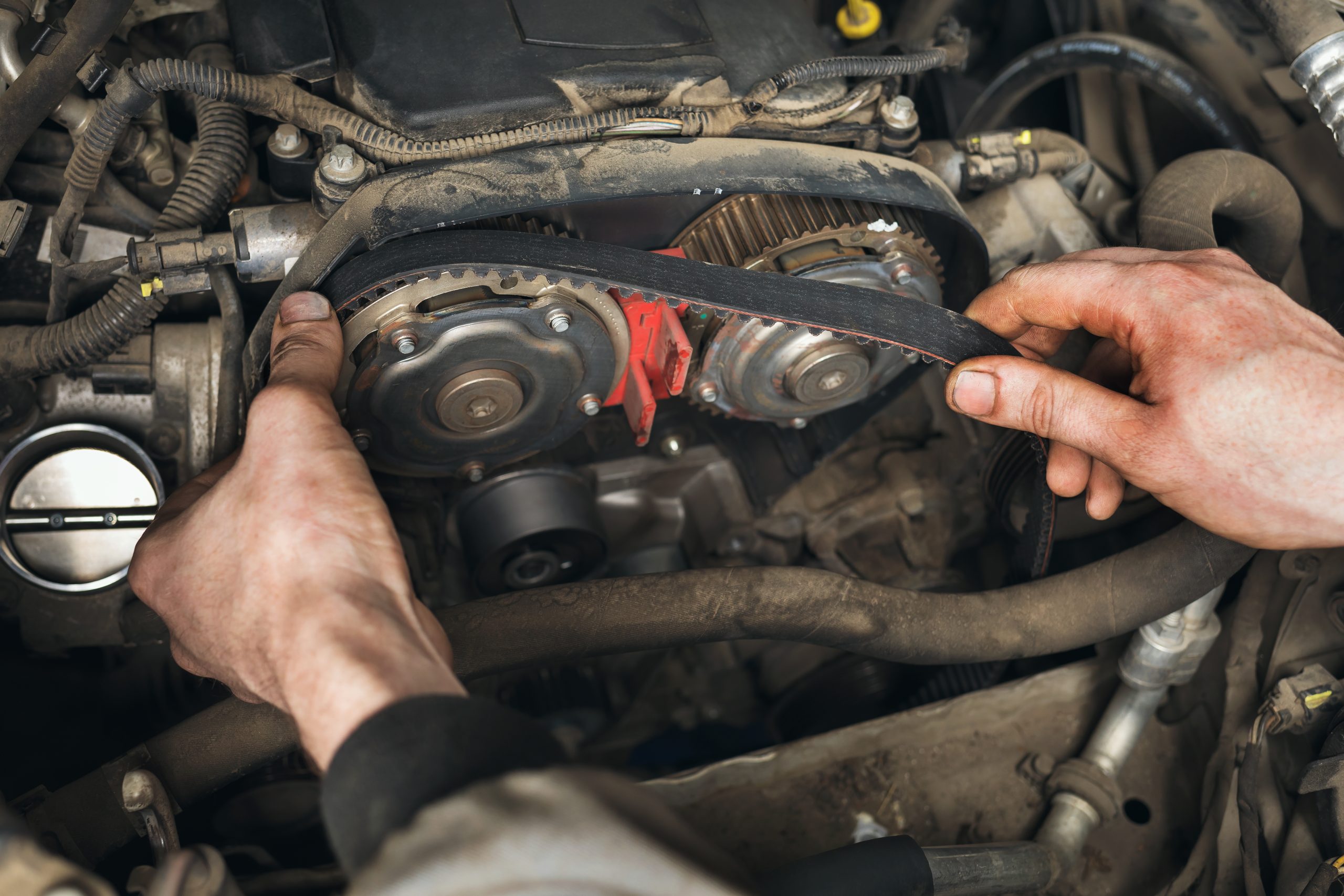
A wet belt, sometimes called a belt-in-oil timing belt, is a component used to control your engine’s timing. It ensures that the camshaft and crankshaft stay perfectly synchronised so that the engine valves open and close at just the right moments.
Unlike older, “dry” belts or metal timing chains, a wet belt runs inside the engine, submerged in oil. This design reduces friction and helps improve fuel efficiency, which is why so many modern car manufacturers now use it.
But There’s a Catch
Over time, the oil that helps lubricate the belt can actually cause it to soften and degrade. As it wears down, pieces of the belt can break off and contaminate your oil system, leading to serious and costly damage.
Which Cars Use Wet Belts?
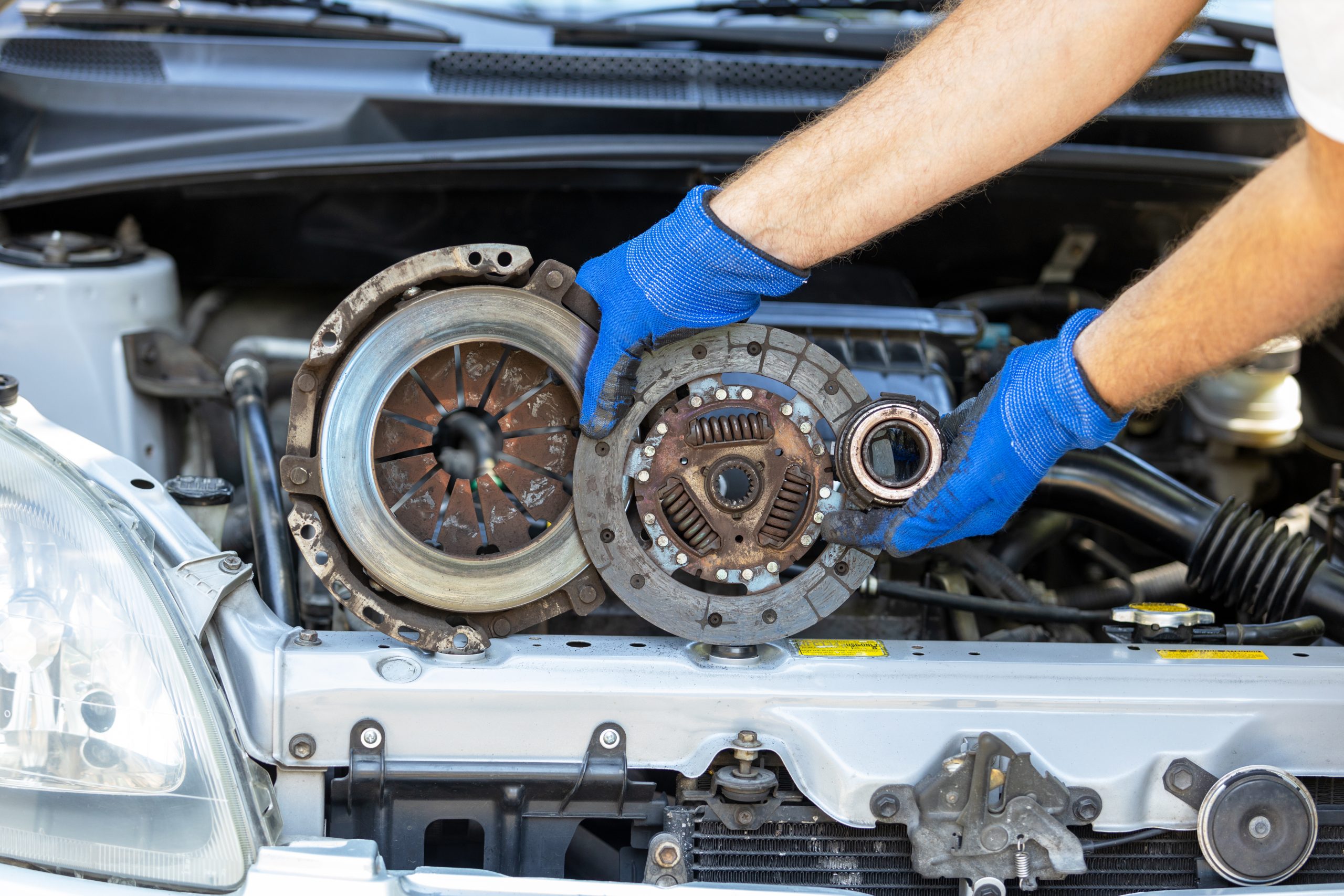
While Ford EcoBoost engines are the most well-known for using wet belts, they’re far from the only ones. The EcoBoost is found not just in the Fiesta, but also in the Focus, B-Max and EcoSport.
Another very common wet belt setup is the Ford EcoBlue diesel engine, which powers many Ford Transit vans and Ford Rangers. These are especially popular among tradespeople and delivery fleets, making timely wet belt replacement even more important.
You’ll also find wet belts in vehicles from other manufacturers, including:
- Peugeot (especially the 1.2L PureTech engine)
- Citroën (similar PureTech variants)
- Vauxhall
- Volkswagen and Audi (in selected models)
Even if you’re not driving a Ford, it’s a good idea to check your engine spec or ask your local garage if your timing system uses a wet belt. These belts can degrade internally without warning, and catching issues early can prevent serious engine damage.
Warning Signs Your Wet Belt May Be Failing
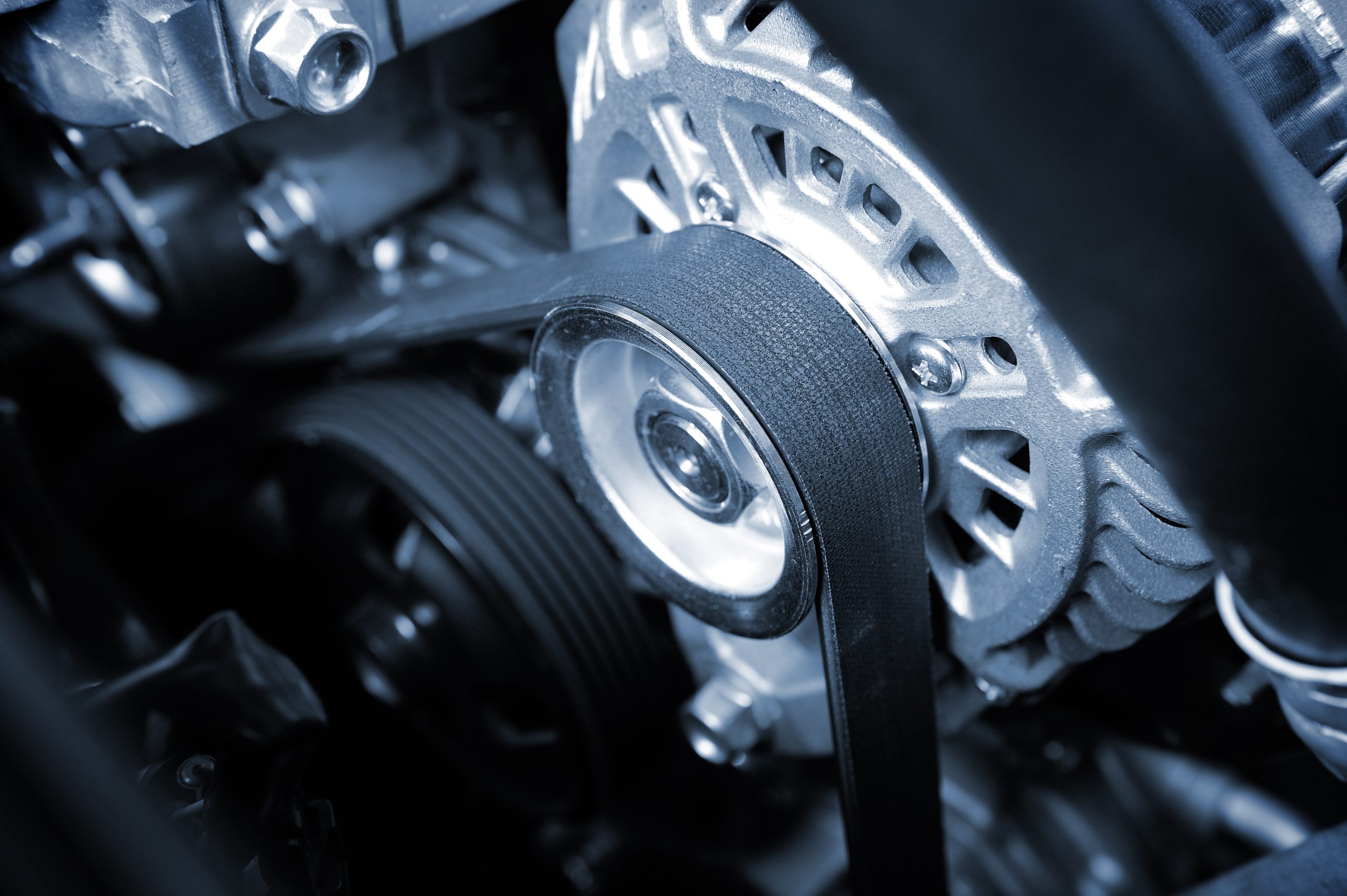
Wet belts don’t always give obvious signs before they fail, but there are several key symptoms to watch out for. Catching these early can help prevent serious engine damage:
- The red oil can warning light staying on longer than normal after startup
- Tapping, ticking, or rattling sounds, especially on cold starts
- Loss of power or hesitation when accelerating
- Illuminated engine warning light
- Oil contamination (which may be picked up during a service)
If you notice any of these, don’t ignore them. Getting your car checked early could save you a major repair later.
When Should You Replace Your Wet Belt?
Manufacturer guidance varies. Some say 10 years or 150,000 miles, but based on our experience at Motorart Autos, that’s optimistic.
Many wet belts start breaking down around 6 years or 60,000 miles, especially in cars used for short trips or stop-start driving. If you’re unsure about your service history (which is often the case with second-hand cars) it’s better to be safe than sorry.
Why Nailsea Drivers Should Pay Attention
Nailsea has a growing population of drivers with ageing vehicles, many of which came from second-hand markets. These cars may have unknown service histories, and many are now reaching the age and mileage where wet belts become a concern.
We’ve seen an increase in wet belt-related problems across a variety of makes and models in our workshop. Catching the issue early can mean a quick, straightforward repair. Leaving it too late can result in engine damage, breakdowns, and expensive rebuilds.
What’s Involved in a Wet Belt Replacement?
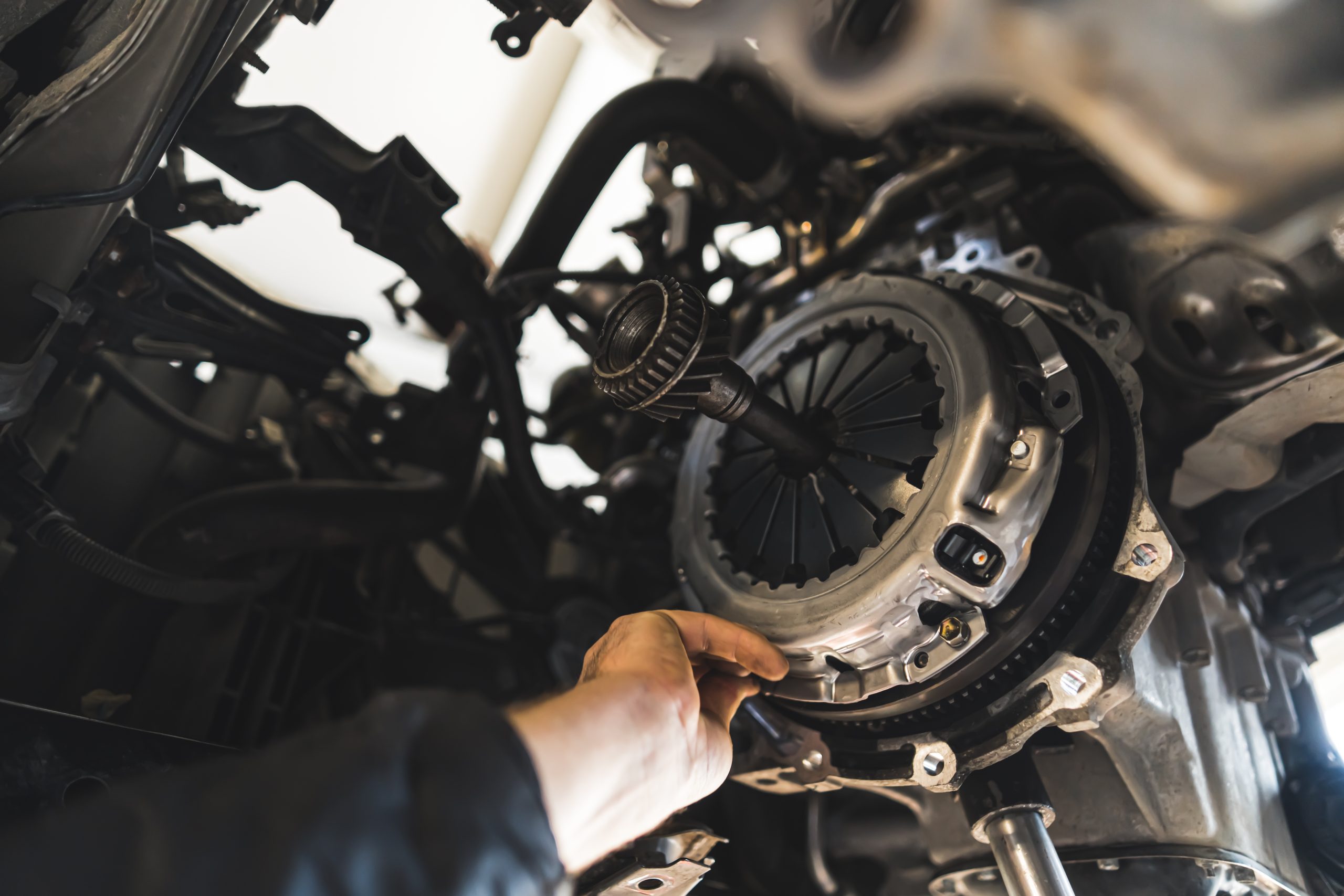
Replacing a wet belt isn’t a routine service; it’s a highly specialised job that demands precision, advanced tooling, and in-depth engine knowledge. Many garages avoid this work entirely due to the risk of internal engine damage if not done correctly.
At Motorart Autos, here’s what a proper wet belt replacement typically involves:
- Draining the engine oil and safely disassembling the timing system
- Thorough inspection and cleaning of the oil pick-up strainer to remove degraded belt material that can restrict oil flow
- Assessment of the vacuum pump, which is oil-fed but unfiltered, and particularly vulnerable to contamination
- Replacement of the wet belt, tensioners, guides, and pulleys using OEM-quality components
- Complete engine flush to remove debris and restore oil system integrity
- Recalibration of the engine timing using manufacturer-approved diagnostic tools
- Test run and road test to confirm safe, smooth engine operation
This process can take several hours and must be done with care. If any step is missed, it can lead to long-term engine wear, oil starvation, or complete failure. That’s why we always provide a detailed job report and only use trusted parts.
Don’t Wait for It to Break
If you’re driving a car that’s more than five years old, or you’re not sure when the wet belt was last checked, don’t wait for a breakdown to find out. Preventive maintenance is always cheaper and less stressful than emergency repairs.
Still have questions? Feel free to give us a call, or pop by the garage for a chat. We’re always happy to offer advice, even if you’re just looking for peace of mind.
Call: 01275 261081
Email: motorartltd@gmail.com